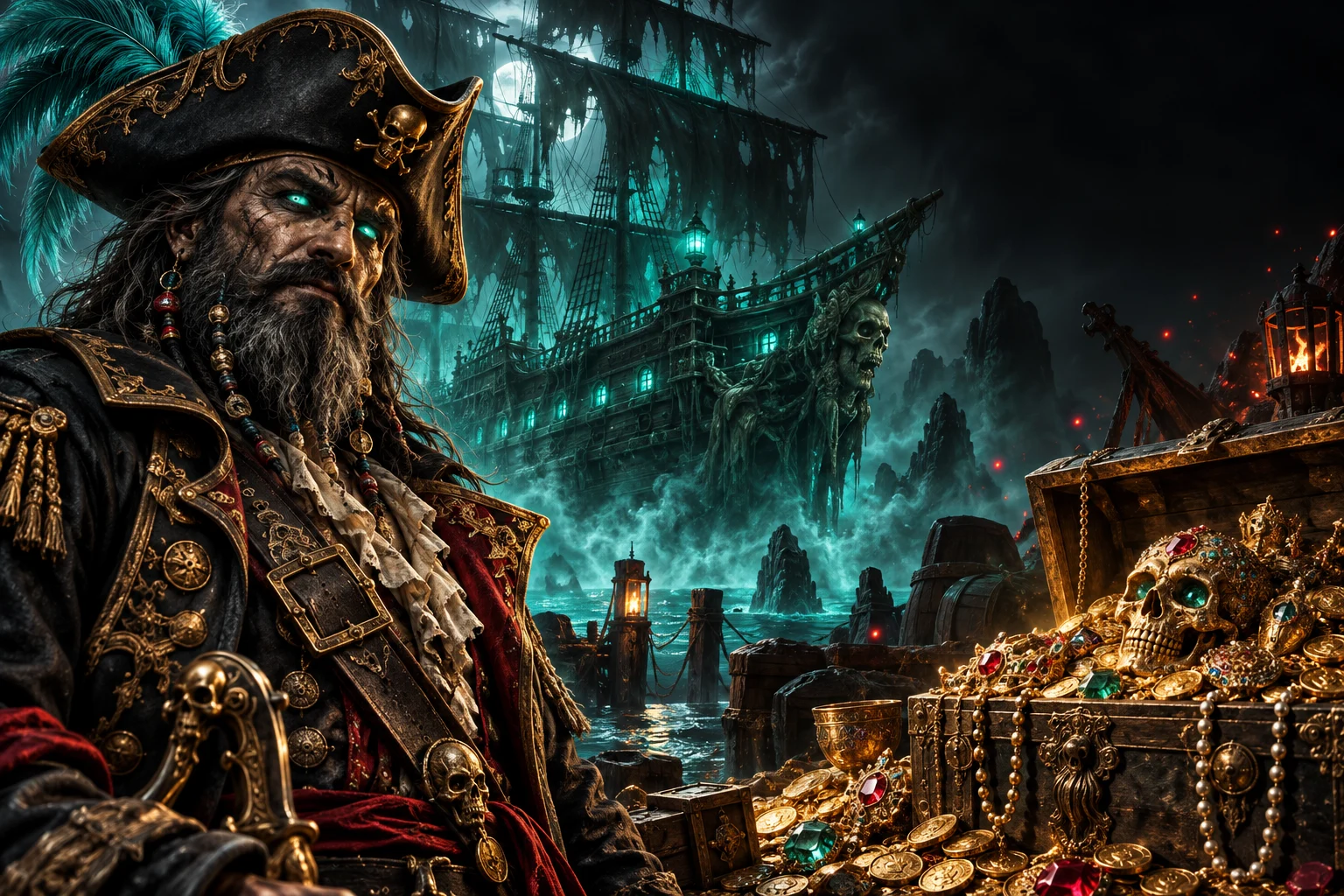
A finished static symbol and an animated one can look almost identical as a single still frame. The price difference between them — often 50-70% more for a comparable scope — confuses buyers until they understand what actually happens in between. It isn’t extra illustration time. It’s an entirely different production discipline layered on top of the art.
Static art and animation are different skill sets
Illustration and rigging are adjacent crafts, not the same craft applied twice. A symbol built purely for a static export can be drawn efficiently as a single, cohesive piece. A symbol built to be animated needs to be constructed differently from the first sketch — separated into distinct, cleanly cut parts (a character’s head, torso, limbs; a gem’s facets; a coin’s face and rim) that a rigger can then attach to a skeleton and move independently.
That constraint changes the illustration process itself. An artist working toward animation has to think in movable parts even while drawing something that, as a still image, looks perfectly unified.
What a Spine rig actually is
Spine is the industry-standard 2D skeletal animation tool for this kind of work. Rigging in Spine means:
- Building a digital “skeleton” of bones matched to the symbol’s separated parts
- Attaching each illustrated piece to the appropriate bone
- Defining how parts deform and move relative to each other (a character’s arm bending at an elbow joint, a wing flexing, a gem catching light as it rotates)
- Creating the actual animation sequences — idle loops, win celebrations, transition states — as keyframed movement across that skeleton
This is specialized, time-intensive work distinct from illustration, and it’s where a meaningful share of an animated production’s budget and timeline actually goes.
What’s typically included in an animated production
A complete animated slot production generally builds on top of a full static pack and adds:
- Spine-ready rigs for the symbols that need to animate (usually wilds, scatters and high-pay symbols see the most animation investment, since low-pay symbols are seen far more often and animating all of them can become visually noisy rather than exciting)
- Symbol and win animation — idle loops, landing animations, celebration sequences for wins
- VFX — particle effects, glows, screen-shake-adjacent visual punctuation timed to key moments
Turnaround for this scope typically runs three to four weeks, roughly a week or more longer than an equivalent static production, because rigging and animation testing genuinely take real, sequential time — they can’t be meaningfully compressed by working faster on the illustration side.
Why not everything needs to animate
Pro tip: a common and cost-effective approach is a hybrid one — animate the high-pay symbols, wilds and scatters, where the emotional payoff of movement matters most, and leave low-pay symbols static. This isn’t a compromise; it’s usually the right creative call. Low-pay symbols appear constantly, and animating all of them can create visual fatigue rather than excitement, while concentrating animation budget on the symbols players are actually excited to land tends to produce a more satisfying feel overall.
Evaluating an animated production quote
Before committing budget to full animation, it’s worth confirming:
- Which symbols are in scope for animation, specifically — not just “animated symbols” as a vague line item
- What states are covered — idle, landing, win celebration — since each is a distinct animation pass, not a single deliverable
- Whether the rig files themselves are part of the delivery, so your team can make future adjustments without commissioning a full re-rig
- How VFX are delivered — as part of the Spine rig, as separate sprite sheets, or as engine-side effects your team implements against a spec
Animated art is where slot production gets closest to game development proper, rather than illustration for a game. Understanding what you’re actually buying — a rigged, tested, multi-state animation system, not just “a symbol that moves” — makes the price difference from static art make sense, and makes it much easier to scope exactly the right amount of it.
Huge Mega Play’s Animated Slot Production includes Spine-ready rigs, symbol and win animation, and VFX, from $7,500. See current offers →