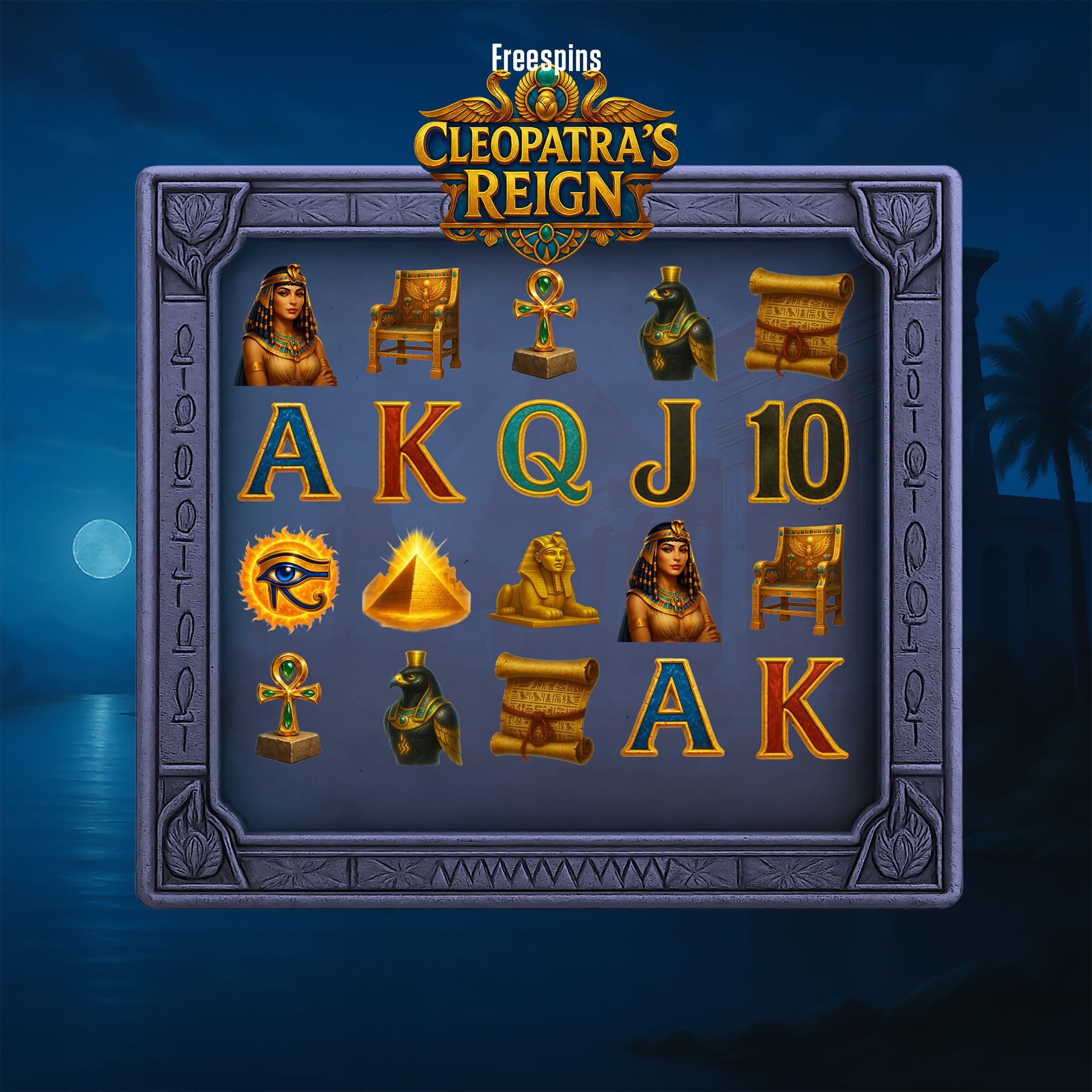
Art quality gets all the attention in a portfolio review. Technical delivery quality is what determines whether your engineering team can actually use what you bought without a week of cleanup first. It’s the least glamorous part of commissioning slot art, and the part most likely to quietly blow your integration timeline if it’s ignored.
Why flattened files aren’t actually a deliverable
A single flattened PNG of a finished symbol looks complete. For integration purposes, it’s closer to a sketch. Your engine team almost always needs to isolate elements — separate the character from the background, pull out a glow effect, adjust a color channel — for animation, localization, or platform-specific rendering. If those elements were never separated in the first place, “adjusting” means redrawing.
Layered source files (PSD or an equivalent) preserve exactly that separability. A studio that delivers layered files, organized with meaningful group names rather than “Layer 47,” has handed you a production asset. A studio that delivers only flattened exports has handed you a picture of one.
Naming conventions matter more than they seem to
A folder of files named final_v2.png, final_v2_REAL.png, and USE_THIS_ONE.png isn’t a delivery problem you notice on day one — it’s one that costs your team an hour of Slack messages three months later when someone new joins the project and has to guess which file is authoritative.
A defensible naming convention typically encodes:
- Game or project identifier
- Asset type (symbol, background, UI element)
- Variant or tier (low-pay-01, high-pay-03, bonus-bg)
- Version number, incrementing predictably
This sounds like a small thing because each individual instance is small. Multiplied across a symbol set, a few background variants, UI elements, and however many revision rounds happened along the way, a consistent convention is the difference between a pipeline your team can automate and one that requires a human to manually sort files every time.
What a delivery manifest actually does
A manifest is a written document — even a simple one — that lists every delivered file, what it is, and how it’s meant to be used. It sounds like paperwork. In practice it’s the artifact that lets a new engineer on your team integrate the asset pack correctly without a live walkthrough from whoever originally received the delivery.
A useful manifest includes:
- Every file name, mapped to its purpose
- Dimensions and format for each asset
- Any special integration notes (this background tiles horizontally, this symbol has a separate glow layer meant to be additive-blended)
- Confirmation of what’s layered vs. flattened, and where the source files live
Pro tip: ask for the manifest as part of the deliverable, not as an afterthought you have to request. A studio that produces one by default is signaling it thinks about your team’s workflow, not just its own output.
What this actually protects you from
None of this is about distrust of a studio’s craft. It’s about protecting your own timeline from a failure mode that has nothing to do with art quality: a technically well-made pack that still costs your engineering team days of extra work because nothing was labeled, separated, or documented in a way that scales past the person who originally opened the files.
Before you commission a full production, ask directly: layered or flattened, what’s the naming convention, and is there a manifest? The answer tells you as much about whether a studio is production-ready as any portfolio piece will.
Every Huge Mega Play delivery ships with layered source files, a consistent naming convention and a written delivery manifest as standard. See current offers →