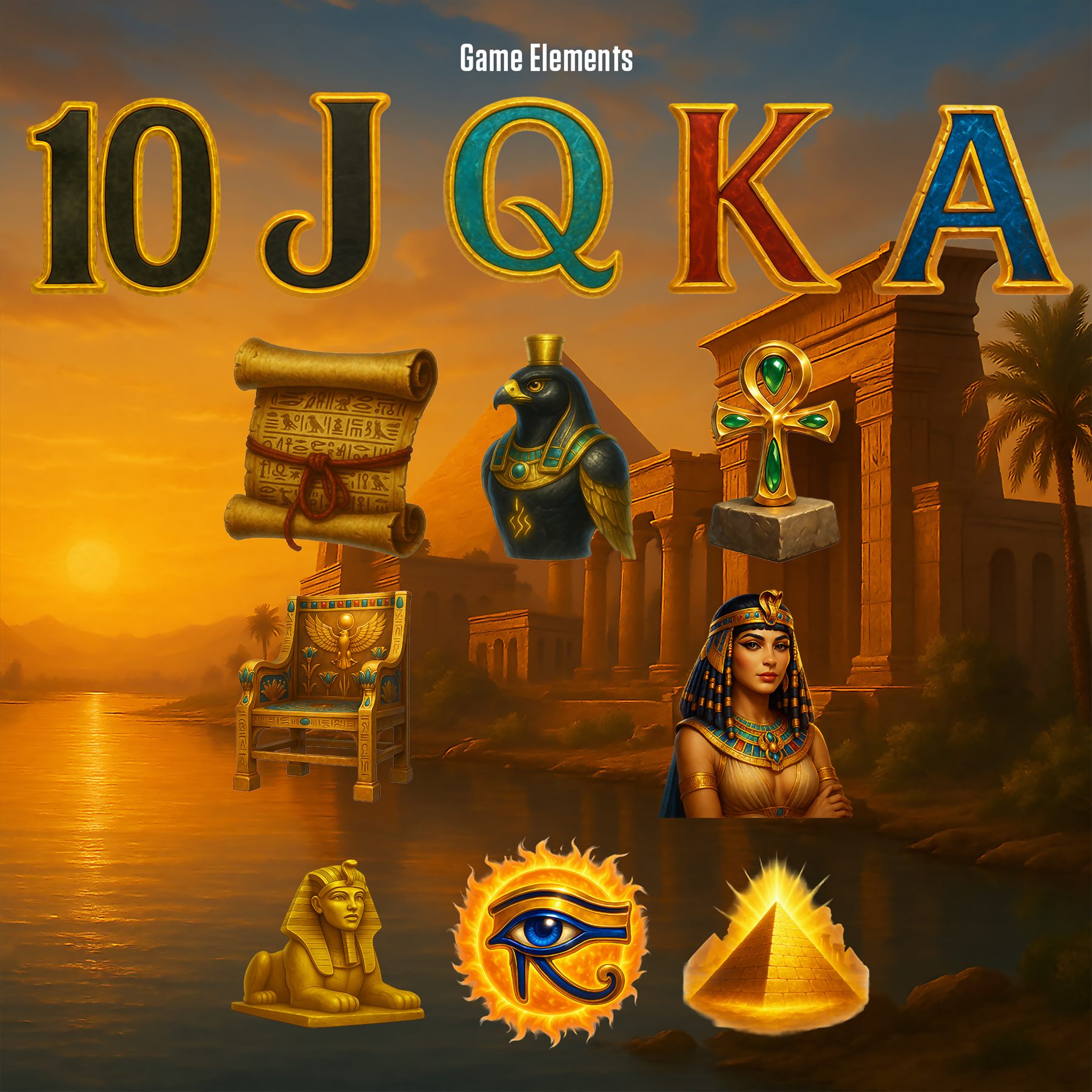
A beautifully rendered mockup tells you what a game could look like. It tells you nothing about how it actually plays, how the reels feel in motion, or whether the bonus round anyone’s describing in the pitch deck actually exists yet. That gap between “looks great in the deck” and “works when you spin it” is exactly where a lot of buyer trust gets spent — and increasingly, exactly where buyers are asking suppliers to close it.
The problem with static-only pitches
Static art is genuinely useful — it’s faster and cheaper to produce, and it’s the right tool early in a conversation. But it can’t answer the questions that actually matter to a buyer committing real budget:
- Does the reel layout and pacing feel right, or just look right in a frame?
- Does the bonus round trigger and pay out the way it’s described?
- Does the UI hold up on an actual phone, in an actual browser, under actual thumb-sized tap targets?
- Is there a math model behind this at all, or is the “RTP” in the pitch deck a placeholder number?
None of those are answerable from a JPEG. All of them are answerable in about thirty seconds with a working demo.
What “playable” should actually mean
Not every demo labeled playable delivers the same thing. Before you treat a demo as proof of anything, check for:
It opens on a phone, not just a desktop preview build. Most real evaluation happens on mobile. A demo that only runs cleanly in a desktop browser window isn’t testing the environment your actual players will be in.
The math is real, not a scripted happy path. A demo that always lands a big win in the first five spins isn’t demonstrating the game — it’s demonstrating a script. Ask whether the RTP and volatility behind the demo are the actual configured values or placeholders.
There’s some way to verify what happened. The strongest version of a playable demo includes a verifiable replay for each round — a record you can check independently rather than one you simply have to trust. That single feature is what separates “we built a fun tech demo” from “you can audit exactly what this math engine actually does.”
Why this matters more for art suppliers specifically
Most art studios deliver static assets — symbols, backgrounds, UI — as image files, full stop. That’s a completely legitimate and common business model. But it means the buyer is still trusting someone else’s engine team to integrate that art correctly, and still can’t evaluate the finished experience until integration is already done and paid for.
A studio that can hand over art running on a real math core changes that sequence. You’re not evaluating a picture of a game and hoping the build matches it — you’re evaluating the actual build, with your art already in it, before you’ve committed further budget.
Pro tip: if a playable demo upgrade is available as an add-on rather than baked into every quote, that’s usually a sign of a healthy pricing structure — it means you’re not paying engine-development costs on every static art order, only on the ones where you actually want the proof.
What to ask for
If you’re evaluating an art or production partner and a playable option exists, a reasonable ask is: one demo, on your phone, with a visible or verifiable record of what the math actually did during your session. That’s a small, specific, checkable request — and how a studio responds to it (confidently and quickly, versus evasively) tells you as much about the partnership as the demo itself does.
Huge Mega Play can deliver your art running on a real math core, with a verifiable replay link per round. Playable Demo Upgrade from $3,500. Play a demo →